With the rapid advancement of technology, the Internet of Things (IoT) is increasingly permeating various fields of healthcare, revolutionizing traditional medical monitoring methods. One such innovation is the development of long-term ECG monitoring patches designed specifically for detecting arrhythmias. These patches, with their capability to monitor continuously for up to 14 days, provide doctors with comprehensive and accurate cardiac health data, opening a new chapter in medical monitoring.
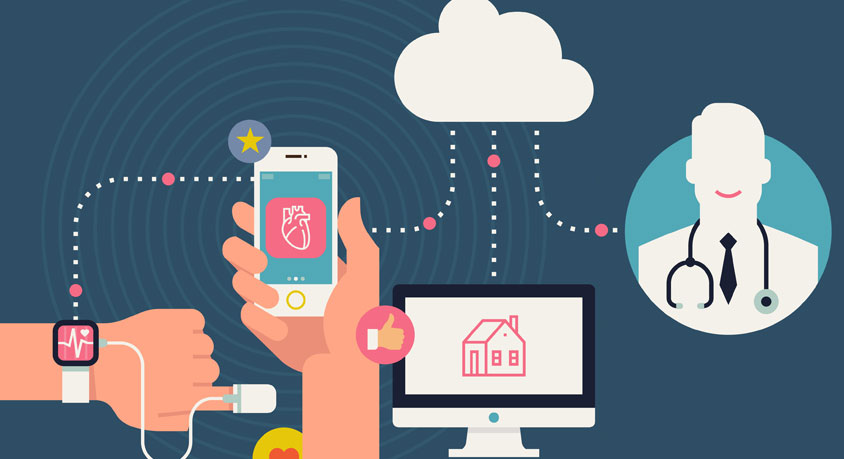
The ECG monitoring patch integrates advanced sensor technology and IoT communication modules, allowing for real-time monitoring of the patient's ECG data and wireless transmission to a cloud server. IoT plays a crucial role in this process, enabling remote control of the monitoring device and ensuring the timeliness and accuracy of the data. Patients only need to attach the patch to their chest, enabling extended ECG monitoring without disrupting their daily activities.
The collected ECG data is transmitted to the cloud, where it undergoes in-depth analysis and processing by proprietary algorithms. These algorithms automatically detect and flag abnormalities such as arrhythmias, providing detailed ECG reports for physicians. Compared to traditional monitoring methods, this patch is not only more convenient and comfortable but also offers extended monitoring capabilities that allow doctors to detect more subtle arrhythmia events, leading to more accurate diagnoses. The combination of IoT technology and smart algorithms has brought unprecedented precision and efficiency to medical diagnostics.
The application of IoT technology has also advanced remote healthcare. During the period when the patient wears the monitoring patch, doctors can view the ECG data remotely through a cloud platform, keeping track of the patient’s cardiac health in real-time. This remote monitoring and diagnostic model overcomes the spatial and temporal limitations of traditional medical services, allowing patients to receive professional healthcare services regardless of their location. Additionally, doctors can provide personalized medical advice and treatment plans based on the patient's specific conditions, achieving more precise healthcare.
The use of IoT technology in medical monitoring not only improves the accuracy and efficiency of healthcare services but also offers significant economic benefits. Extended continuous monitoring reduces the need for patients to frequently visit hospitals, saving time and transportation costs. The remote transmission and analysis of data through IoT technology reduce costs associated with data storage, processing, and transmission for healthcare institutions. Furthermore, IoT technology helps healthcare organizations optimize resource allocation, enhancing the overall efficiency and quality of medical services.
This ECG monitoring patch, with its extended and high-precision monitoring capabilities supported by IoT technology, provides doctors with more comprehensive and accurate cardiac health data, bringing unprecedented precision and efficiency to medical diagnostics. As IoT technology continues to advance and improve, future medical monitoring will become even more intelligent and convenient.
Disclaimer: Mention of any brand or trademark is for identification only and does not imply partnership or endorsement