From smart homes to smart cities, IoT technology is gradually penetrating into every field, and streaming services, as an important part of digital entertainment, have also ushered in new development opportunities in this technological revolution. Next, we will delve into how IoT can be combined with streaming media services to not only improve content delivery efficiency, but also further optimize user experience and achieve new heights of seamless switching and personalized recommendations.
IoT technology optimizes streaming media delivery efficiency
The core of IoT lies in the interconnection and interoperability between devices, a feature that has revolutionized streaming media services. In the IoT environment, streaming data can be transmitted through more efficient network architectures and communication protocols. For example, the combination of edge computing and cloud computing enables faster data processing and reduces the delay and bandwidth consumption of data transmission. Meanwhile, lightweight protocols such as MQTT and CoAP, which are widely used in IoT, as well as compression and coding technologies such as JPEG and MPEG, ensure that multimedia data can be transmitted efficiently in a smaller size while maintaining quality. The application of these technologies not only improves the loading speed of streaming media content, but also reduces the load pressure on the server, bringing users a smoother viewing experience.
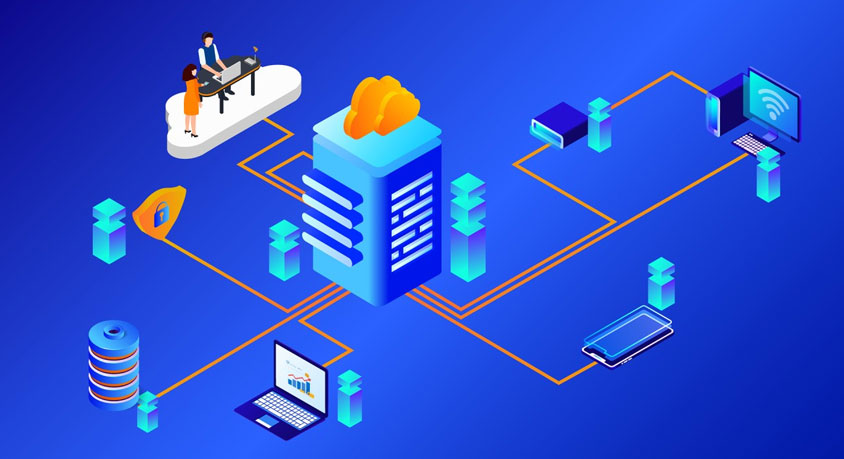
Personalized recommendation: IoT, a precision service driven by data
Another major advantage of IoT technology lies in its powerful data collection and processing capabilities. Through smart home devices, wearable devices and other IoT terminals, user behavioral data, preference information and so on can be collected in real time, providing rich user profile data for streaming media platforms. Based on these data, streaming media platforms can use algorithms such as collaborative filtering and content-based recommendation to provide users with more accurate and personalized content recommendations. For example, by analyzing users' viewing habits, smart home devices can automatically play their preferred TV programs or music when they come home, enabling seamless switching and personalized service. This kind of smart and personalized recommendation not only improves user satisfaction, but also enhances user stickiness, bringing more business opportunities for streaming platforms.
Real-time interaction and immersive experience: innovative integration of IoT and streaming media
The combination of IoT and streaming media also brings richer real-time interaction and immersive experience to users. In smart home scenarios, users can control smart devices at home through voice assistants and watch surveillance videos at home in real time to realize remote monitoring and management. In addition, IoT technology also supports seamless cross-platform switching of streaming content, allowing users to freely switch between different devices and enjoy a coherent and smooth viewing experience. These innovations have not only enriched the application scenarios of streaming media services, but also brought users a more convenient and efficient way of life.
With the continuous progress of technology and the expansion of application scenarios, we can foresee that smarter and more personalized streaming services will continue to emerge. At the same time, with the continuous popularization and upgrading of IoT devices, the transmission efficiency and user experience of streaming media services will also be further improved. In this process, we need to continue to explore and innovate to meet new challenges and opportunities, and jointly promote the prosperous development of IoT and streaming media services.
Disclaimer: Mention of any brand or trademark is for identification only and does not imply partnership or endorsement