


We’ve all been there: you sit down to play "just 30 minutes" of your favorite game, glance at the clock an hour later, and suddenly realize the sun’s peeking through the curtains. How did the night vanish so fast? It’s not magic—well, not exactly. It’s that sweet spot game designers chase like a rare loot drop: flow state, where your brain locks in so hard, time melts away. You’re not just playing anymore; you’re in the game, and everything else fades. But how do they pull that off? It’s not about flashy graphics or big budgets—it’s about nailing the little, sneaky details that hook your focus and never let go.
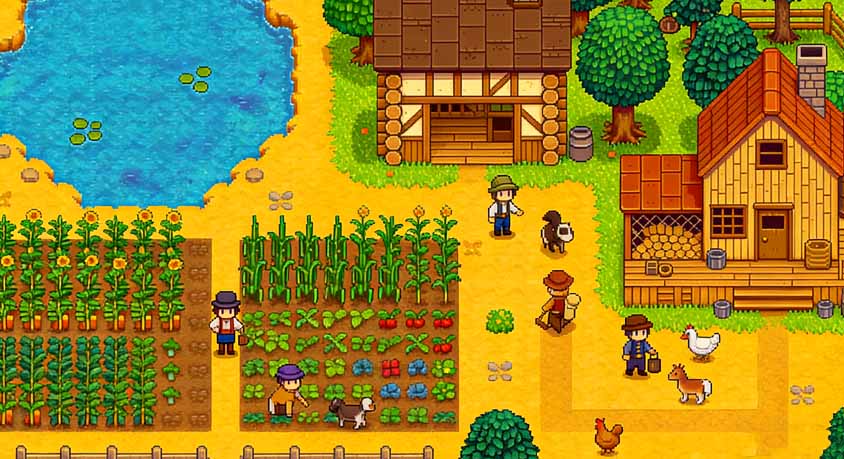
Take difficulty curves, for example. They’re like the secret sauce in a viral TikTok recipe—mess it up, and the whole thing falls flat. Dark Souls gets this, even if it feels like it’s yelling at you at first. Yeah, you’ll die in that first Hollow more times than you want to admit, but each death isn’t punishment—it’s a hint. "Hey, maybe don’t rush in swinging," the game whispers. Next try, you dodge, you hit, you win. It’s hard, but not impossible—like climbing a ladder where each rung is just high enough to make you reach, but not so high you give up. On the flip side, Stardew Valley feels like a warm hug, but it’s got the same trick. You start with a tiny plot of weeds, then you plant turnips, then you get a chicken, then you fix the community center. It’s slow, but each step builds on the last—no overwhelming leaps, just steady progress that makes you think, "Just one more crop, then I’ll stop." Two hours later, you’re still watering.
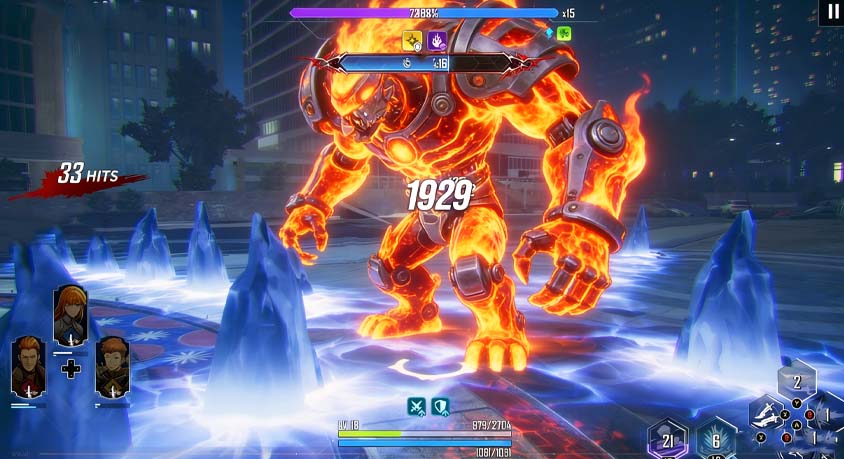
Then there’s instant feedback—the gaming equivalent of eating chips: you can’t stop because the payoff is right there. In Dark Souls, you swing your sword, and the enemy’s health bar dips. You block a hit, and you hear that satisfying "clink" that says you didn’t mess up. In Stardew Valley, you plant a seed, water it, and three days later, a little green sprout pops up. You sell your harvest, and your gold count goes up—boom, immediate reward. Your brain loves that; it’s like getting a high-five every time you do something right. No waiting, no guessing—just "do this, get that" that keeps you clicking, swinging, planting.
And let’s not forget clear goals. Ever stared at a blank to-do list and felt overwhelmed? Games never let that happen. In Dark Souls, your goal is simple: beat the next boss, unlock the next area. In Stardew Valley, finish the community center, upgrade your house, or catch that legendary fish. You always know what’s next—no confusion, no "what now?" moments. It’s like putting together a puzzle where you can see the final picture the whole time; every piece you place gets you closer, and you can’t wait to see the end.
Here’s the wild part: Dark Souls’s "yell at you" difficulty and Stardew Valley’s "chill with cows" vibe are polar opposites, but they both hit that flow state. Because at the end of the day, it’s not about being hard or easy—it’s about making you feel like you’re in control, like every action matters, like stopping would mean missing out on something good. That’s the design secret: they don’t just make games—they make worlds that pull you in, wrap around you, and make you forget the clock.
Disclaimer: Mention of any brand or trademark is for identification only and does not imply partnership or endorsement