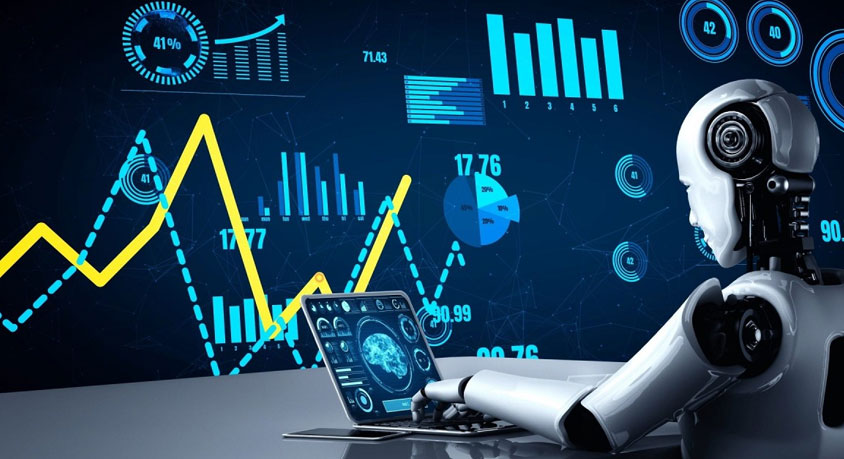



In the era of the Internet of Everything, the Internet of Things (IoT), with its ubiquitous reach, has tightly intertwined the physical world with the digital world, generating an unprecedented amount of massive data. This data is like a gold mine, harboring infinite value and potential, and big data analytics is the key to unlock this gold mine.
Symbiosis and co-prosperity of IoT and big data
The rapid development of IoT technology makes every industry immersed in a sea of data from smart homes to smart cities, from industrial manufacturing to healthcare. These data are characterized by diversity, high speed and scale, the so-called “big data” three elements. Big data analytics, with its powerful data processing capabilities and smart analysis algorithms, has become an indispensable partner in the IoT era. The two are complementary to each other, and together they are driving the wave of digital transformation.
Challenges and responses of big data processing technology
In the face of the massive amount of data generated by IoT, traditional data processing methods appear to be overwhelmed. Big data processing technology realizes the rapid capture, cleaning, integration and analysis of data through distributed storage, parallel computing and other technical means. Among them, Hadoop, Spark and other open source platforms have become the leaders in the field of big data processing, which not only provide efficient data processing capabilities, but also lower the technical threshold, making it easy for more enterprises and organizations to get started.
The mystery of data mining and insights
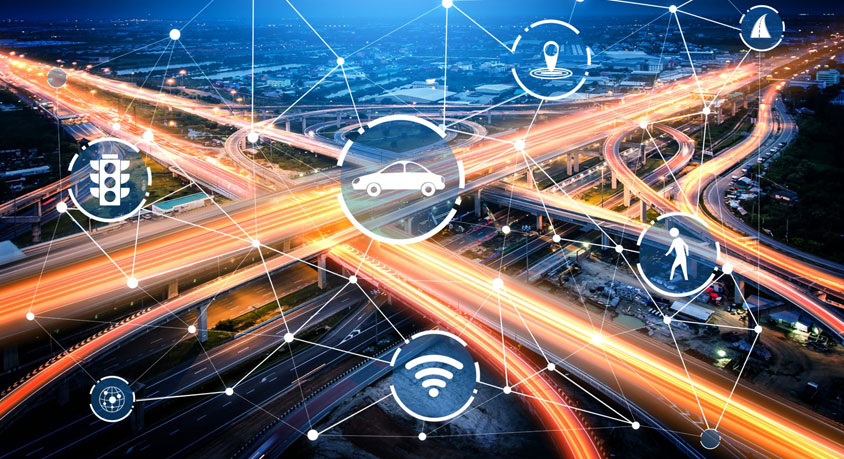
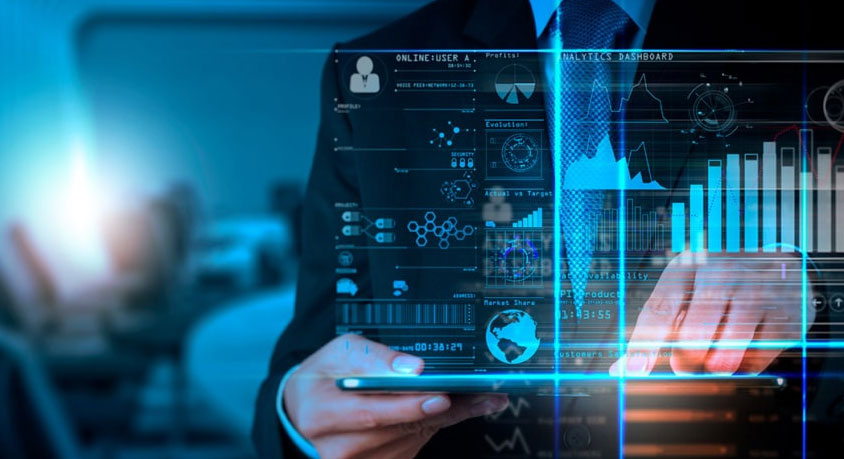
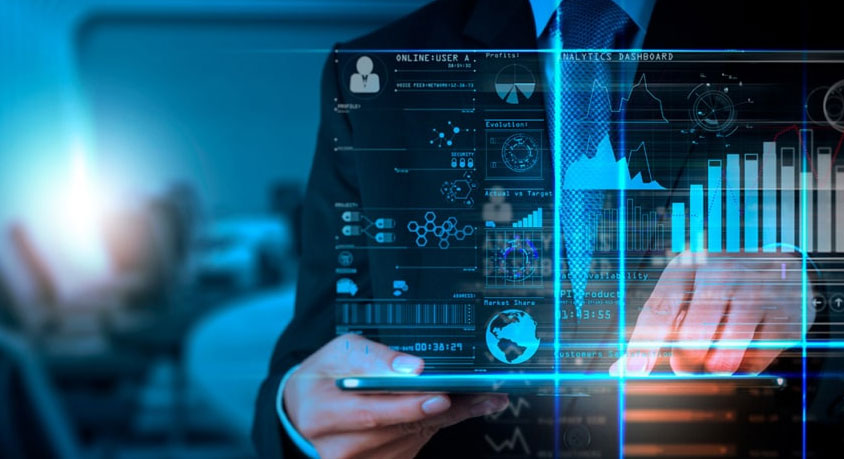
Data mining is the core aspect of big data analytics, which utilizes a variety of techniques such as statistics, machine learning, and artificial intelligence to unearth hidden patterns, associations, and trends from massive amounts of data. In the field of IoT, data mining can help us discover the interaction patterns between devices, predict device failures, optimize resource allocation, and so on. For example, by analyzing data from smart meters, we can predict power demand and achieve fine management of energy; by analyzing data from smart transportation systems, we can optimize traffic flow and alleviate urban congestion.
Big data-driven prediction and decision support
Big data analysis not only provides rich insights, but also provides a scientific basis for prediction and decision-making. By analyzing historical data, predictive models can be built to anticipate future trends. This predictive capability is especially important in IoT applications. For example, in the manufacturing industry, by analyzing real-time data from production lines, equipment failures can be predicted and maintenance can be carried out in advance to avoid production interruptions; in the retail industry, by analyzing data on consumer purchasing behavior, market demand can be predicted, inventory management can be optimized, and sales efficiency can be improved.
By efficiently processing and analyzing the massive amount of data generated by IoT, we can not only mine valuable insights and provide a scientific basis for forecasting and decision-making, but also promote the digital transformation of various industries to achieve smarter, more efficient and sustainable development. In the future, the role of big data analytics in IoT will become more prominent as technology continues to advance and application scenarios continue to expand.
Disclaimer: Mention of any brand or trademark is for identification only and does not imply partnership or endorsement