Your city council approved the installation of new "smart" LED streetlights to save energy and improve public safety. The press release highlighted energy savings and integrated cameras for traffic monitoring. Buried in the technical specifications, often undisclosed to the public, is a more sensitive capability: an array of microphones. These aren't for recording conversations, officials claim. They are part of acoustic detection systems like ShotSpotter, designed to pinpoint gunfire by triangulating its sonic signature. The stated purpose is narrow and reactive. The installed hardware, however, is general and always-on. In 2026, the core issue is not intent, but capability and drift. You must understand the difference between what a system is sold as and what its physical components can do with a simple software update.
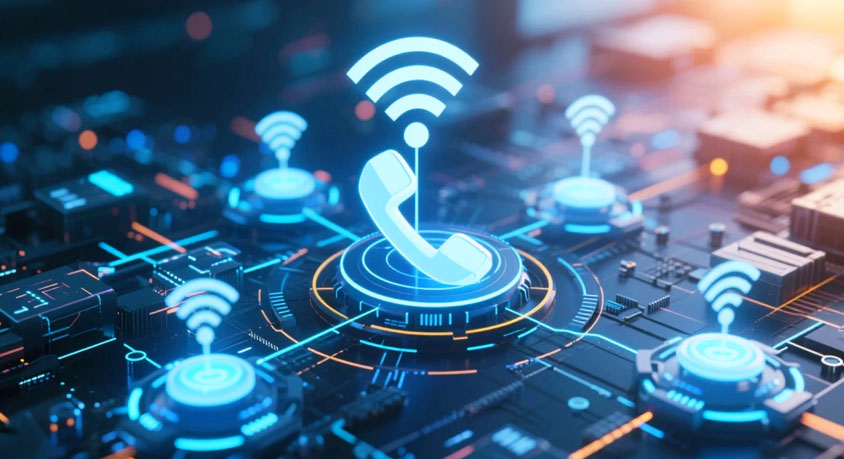
Technologically, the setup is a distributed acoustic sensor network. Think of it not as a tape recorder, but as a vast, electronic eardrum stretched across the city. Each smart pole contains a microphone or an array of them. When a loud, impulsive sound occurs—a gunshot, a backfire, an explosion—the system compares the time the sound wave arrived at different poles. Through triangulation, it calculates an origin point within a few meters. The critical design feature, according to vendors, is that the system filters for specific acoustic signatures. It is allegedly deaf to speech, music, or ambient noise, processing only waveforms that match pre-defined profiles of threats. The raw audio is purportedly never stored; only the metadata (time, location, classification) is retained.
This creates a critical trust gap. The hardware—the microphone—is a general-purpose sensor. The filtering is done by software algorithms running on edge processors in the pole or in a central server. The promise of privacy rests entirely on the integrity of this code and the contractual agreements preventing its repurposing. There is no technical barrier, only a policy one, preventing that same network from being re-tasked to detect other sounds: breaking glass, raised voices, or specific keywords. A system sold for gunshot detection can, with updated software, become a broad-scale acoustic monitoring grid. This is called "function creep," and it is the standard lifecycle of surveillance infrastructure. The platform is built; its uses expand quietly over time.
The legal and oversight framework has not kept pace with the sensor deployment. Courts have generally held that there is no reasonable expectation of privacy in sound voluntarily projected into public spaces. This legally justifies the detection of loud, public noises like gunshots. However, continuous, granular audio monitoring that could capture fragments of private conversations from sidewalks, parks, or open windows exists in a grey zone. Without explicit laws forbidding it and without public audits of the system's actual data processing, citizens operate on blind trust. An investigation by a tech magazine might find the data streams are indeed narrow; a municipal budget crisis next year might lead to a contract with a new vendor who analyzes "aggregate acoustic data for urban planning."
Therefore, your action protocol is not to dismantle the poles, but to enforce accountability and create personal countermeasures. First, perform a local sensor audit. File a public records request with your city's transportation or public works department. Ask for: the full technical specifications of all sensors on smart poles, all vendor contracts, and the data retention policies for each sensor type. The response will reveal the scope. Second, advocate for embedded technical safeguards. Demand that any acoustic system use hardware that is physically or cryptographically incapable of streaming or storing raw audio, with verification by independent third-party audits. The goal is to bake privacy into the silicon, not just the service agreement. Third, practice situational audio awareness. In sensitive conversations near this infrastructure, use sound masking. A simple method is to play neutral white noise from a personal speaker at a low volume. More advanced countermeasures involve using an encrypted voice recorder app on your phone during conversations; its recording will dominate and obscure any distant, fuzzy capture attempt by external microphones.
The smart city is not a monolith; it is a collection of capabilities waiting for a use case. The microphone in the light pole is inert until a software directive activates it. Your safety depends on rigorously limiting those directives and monitoring for drift. Assume all public-sector IoT capabilities will expand over time. Your role is to act as a circuit breaker through scrutiny, advocacy, and personal counter-surveillance hygiene. Trust the law you can read and the hardware limitation you can verify, not the promotional brochure. The city's ears are only as selective as its citizens are vigilant.
Disclaimer: Mention of any brand or trademark is for identification only and does not imply partnership or endorsement