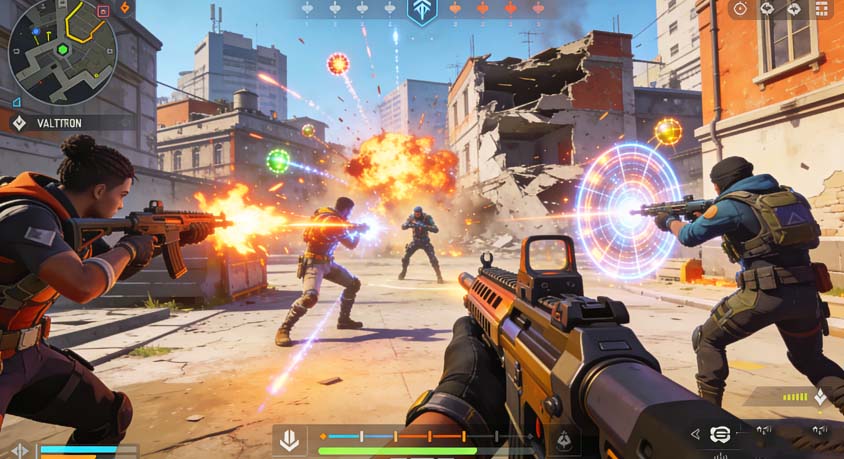



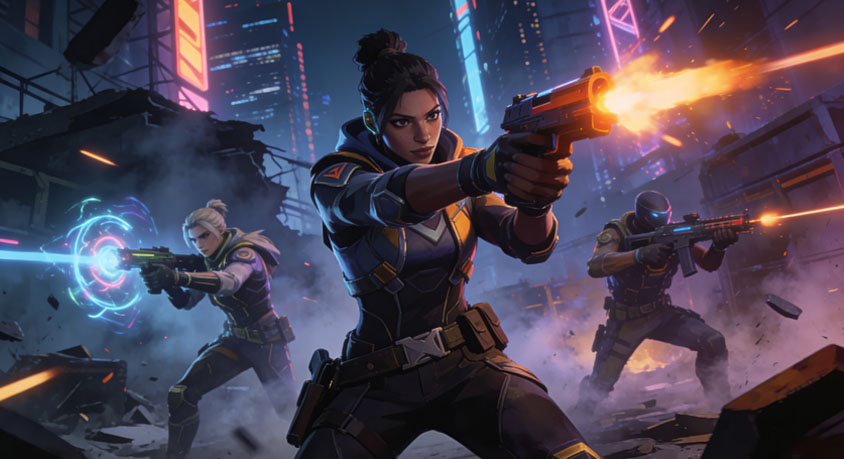
The internet loves pitting VALORANT and CS2 against each other like they’re rival pizza toppings (pepperoni vs. pineapple, but with more headshots). Most folks frame it as “pure skill vs. flashy abilities”—CS2’s no-frills, aim-or-die chaos vs. VALORANT’s agent-powered trickery. But here’s the take no one’s shouting from the rooftops: it’s not about which game has “better” gunplay. It’s about which one turns every round into a story, and VALORANT’s secret sauce is how abilities turn average players into moment-makers, even when their aim is more potato than pro.
CS2 thrives on raw precision—you master recoil patterns, crosshair placement, and timing, and that’s your superpower. Miss a headshot? You’re dead, no takebacks. VALORANT doesn’t toss that precision out the window; it wraps it in a layer of “what if?” What if you could block the enemy’s line of sight with a smoke wall before peeking? What if you could flash a corner to blind a sniper before they spot you? What if you could teleport behind a rush to turn the tables? These abilities aren’t crutches—they’re tools to rewrite the rules of a gunfight. A Jett player doesn’t just shoot; they soar into the air to take a better angle. A Sage player doesn’t just hold a site; they freeze enemies to buy their team time. It’s tactical shooting with a twist: your aim matters, but so does your ability to outthink the enemy before the first bullet flies.
This design is genius for two simple reasons: it cuts down on frustration and cranks up the chaos (the good kind). Let’s be real—we’ve all been that CS2 player who spends 10 rounds getting picked off by a better aimer, feeling like they’re just cannon fodder. In VALORANT, even if your headshot game is weak, you can still make a difference. Drop a smoke to cover your team’s retreat, use a heal ability to save a teammate, or set a trap to catch a flanking enemy. You’re not just a shooter—you’re a strategist, a support, a chaos gremlin. And when your ability combo leads to a round win? That’s a moment you’ll brag about to your friends, even if you only got one kill. For pro players, it’s even better: abilities add layers of mind games, where you’re not just guessing where the enemy is—you’re guessing what abilities they’re holding, when they’ll use them, and how to counter. A single well-timed Sova drone can turn a losing round into a victory, just as a mistimed Brimstone airstrike can hand the enemy the win.
Don’t get me wrong—VALORANT still demands skill. You can’t spam abilities and expect to win; you need to know when to use them, how to pair them with your team, and yes, how to aim when the smoke clears. But it’s skill with a safety net, and more importantly, skill with storytelling. Every round isn’t just a checklist of kills and deaths—it’s the time you used Phoenix’s ultimate to clutch a 1v3, or the time your team’s coordinated smokes and flashes took down a fortified site. CS2 has its moments, sure, but VALORANT bakes moment-making into its DNA. At the end of the day, both games are about tactical shooting and teamplay—they just speak different languages.
Disclaimer: Mention of any brand or trademark is for identification only and does not imply partnership or endorsement